Subterranean vs. Drywood Termites: Distinguishing Threat Levels in Southern California Homes
Learn the critical differences between subterranean and drywood termites in Southern California, from infestation signs to structural threat levels and treatment approaches.
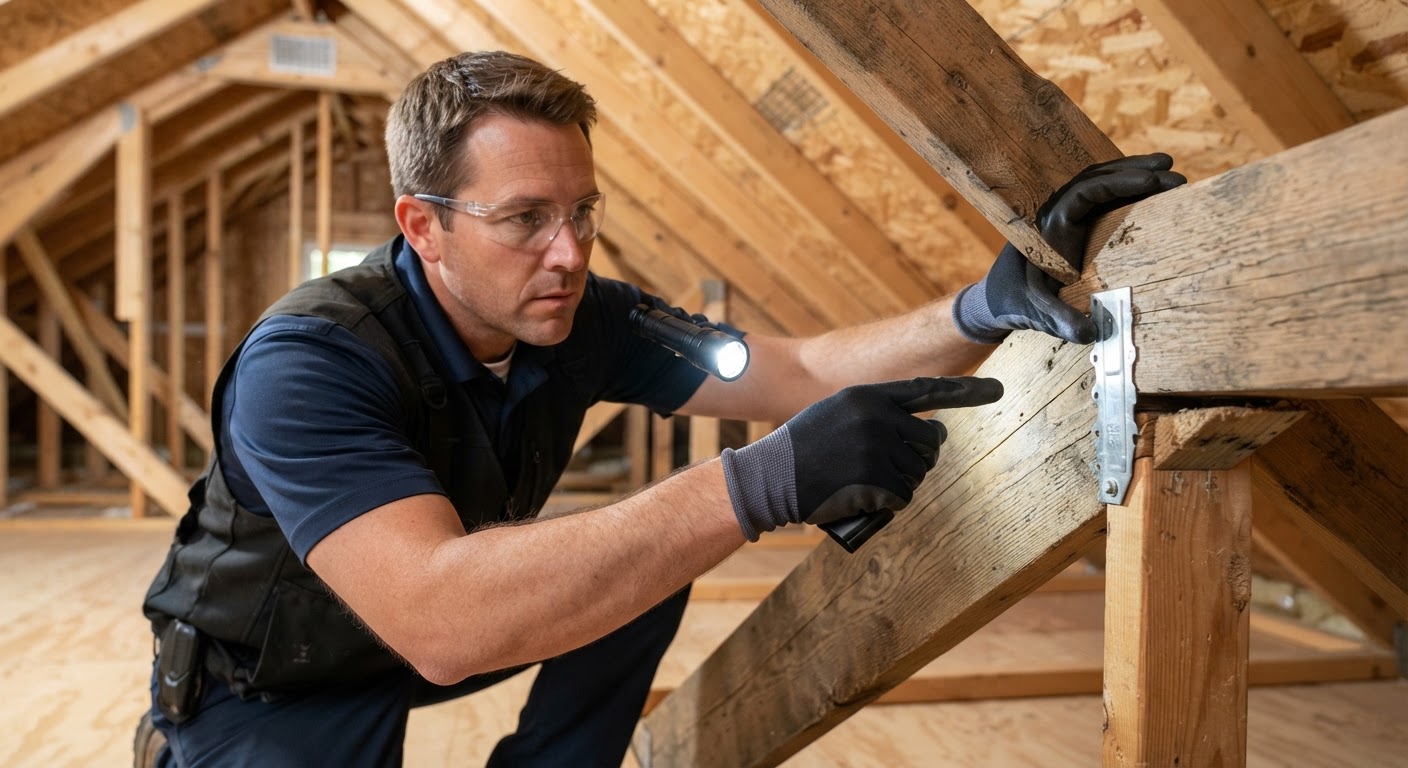
The Dual Termite Threat in Southern California
Southern California is renowned for its mild climate, abundant sunshine, and distinct architectural diversity. From historic Spanish Colonial Revivals and Mid-Century Modern estates in Beverly Hills to contemporary coastal properties, wood remains a foundational building block for regional architecture. Unfortunately, the same warm, semi-arid environment that homeowners love provides an ideal habitat for destructive wood-destroying organisms.
Unlike many parts of the country that contend primarily with a single species, Southern California properties face simultaneous pressure from two distinct varieties: Western subterranean termites (Reticulitermes hesperus) and Western drywood termites (Incisitermes minor). While both feed on cellulose and can cause severe structural damage over time, their biology, nesting habits, damage velocity, and treatment requirements differ fundamentally. Distinguishing between these two pests is the first step in defending your property against costly structural compromise.
Understanding Subterranean Termites
Subterranean termites are ground-dwellers by nature. Because they have thin, soft exoskeletons that rapidly lose moisture, they require constant contact with moist soil or another reliable moisture reservoir to survive. In Southern California, they are commonly found nesting deep in the ground beneath foundations, lawns, and landscaped perimeters.
How They Access Structures
To access wood above ground without desiccating, subterranean termites construct characteristic mud tubes—protective tunnels made of soil, digested wood particles, and salivary secretions. These pencil-thick tubes can run up concrete stem walls, through foundation cracks, across plumbing penetrations, or inside hollow masonry walls. Once inside, they feed inside structural framing, subflooring, and baseboards, often leaving only a paper-thin veneer of wood or paint intact.
Damage Characteristics
Subterranean termites feed primarily along the grain of the wood, targeting the softer springwood while leaving the harder summerwood intact. The galleries they carve are typically lined with a mixture of soil and excrement, creating a distinctly muddy or dirty appearance. Because mature colonies can number anywhere from several hundred thousand to over a million individuals, their feeding capacity is substantial. Left unchecked, a vigorous subterranean colony can cause noticeable structural weakening in a relatively short timeframe.
Understanding Drywood Termites
In contrast to their subterranean cousins, drywood termites require no connection to the soil or groundwater. They establish colonies entirely within dry, sound wood. They derive all the moisture they need through metabolic processes and the humidity present in their environment, making the dry attics, exposed rafter tails, window framing, and hardwood floors of Southern California homes prime real estate.
How They Access Structures
Drywood termites typically gain entry during seasonal swarming periods. Alates (winged reproductive termites) fly directly from existing infestations into new host structures, seeking out gaps around fascia boards, open attic vents, unsealed roof eaves, or cracks in exterior wood trim. Once mated, a pair bores directly into the wood, seals the entry hole behind them with a wood-pulp plug, and begins rearing a new colony within the structural member.
Damage Characteristics
Because drywood termites spend their entire lives inside dry wood, their galleries look markedly different from subterranean workings. They cut smooth, clean tunnels across both the soft springwood and hard summerwood grain, with no mud or soil present. As they feed and expand their tunnels, drywood termites create tiny, round "kick-out holes" through which they discard their fecal material. These droppings, known as frass, accumulate below infested wood in neat, miniature mounds that resemble coarse sand, coffee grounds, or pepper.
Key Differences: Comparing the Signs of Infestation
Identifying which species is present on your property dictates the entire remediation strategy. Homeowners should look for the following diagnostic differences:
- Fecal Pellets (Frass): Subterranean termites incorporate their liquid waste into mud tubes and galleries, leaving no dry pellets. Drywood termites produce distinct, hexagonal fecal pellets that are hard, uniform in size (about one millimeter long), and ejected in noticeable piles.
- Mud Shelter Tubes: Present with subterranean termites along foundations, piers, or subflooring. Never present with drywood termites.
- Swarming Behavior: Western subterranean swarmers are dark brown to black with translucent, unpigmented wings, typically taking flight during daytime hours in early spring following seasonal rains. Western drywood swarmers are reddish-brown with smoky, pigmented wings, typically swarming on warm, sunny afternoons during late summer and autumn.
- Wood Gallery Appearance: Subterranean galleries are layered with soil deposits and follow the grain. Drywood galleries are clean, smooth, and cut freely across growth rings.
Evaluating the Threat Levels to Your Home
Determining which termite species poses a greater threat depends on how you measure risk: speed of consumption versus prevalence and detection difficulty.
Speed and Scale: The Subterranean Threat
From a sheer volume perspective, subterranean termites present an acute structural risk. A single subterranean super-colony can forage over a wide territory and consume structural timber at a rate far exceeding that of an individual drywood colony. In homes with crawlspaces or slab foundations with plumbing penetrations, subterranean termites can exploit hidden entry points and compromise load-bearing sill plates and studs before outward signs appear. Moisture issues, such as landscape irrigation spraying against siding or roof drainage pooling near exterior walls, dramatically elevate subterranean vulnerability.
Prevalence and Stealth: The Drywood Threat
Drywood termites, while slower wood consumers due to smaller colony sizes (rarely exceeding ten thousand individuals per colony), present an insidious long-term threat. In Beverly Hills and across the Los Angeles basin, drywood termite pressure is extraordinarily widespread. Furthermore, a single residence can host dozens of independent, isolated colonies across different areas of the framing, roof deck, and decorative woodwork.
Because drywood infestations are self-contained within structural elements, they often go unnoticed for years until frass accumulates or paint blisters. In properties featuring intricate architectural millwork, exposed timber ceilings, or historic craftsmanship, the cumulative damage of multiple mature drywood colonies can be exceptionally costly to remediate.
Targeted Treatment Approaches
Because their habits are diametrically opposed, a treatment designed for one species will rarely solve a problem caused by the other. Effective control requires precise matching of methodology to biology.
Subterranean Remediation
Eliminating subterranean termites requires severing the connection between the colony in the soil and the timber in the structure. Standard strategies include:
- Liquid Soil Barriers: Applying non-repellent termiticides to the soil around and beneath the foundation. Foraging termites pass through the treated zone undetected, transferring the material back to the subterranean nest and eliminating the population.
- Baiting Systems: Installing in-ground monitoring and bait stations along the perimeter of the structure. Worker termites ingest the active insect growth regulator and distribute it throughout the colony, halting their ability to molt and survive.
Drywood Remediation
Because drywood termites live entirely above ground within the wood itself, soil applications have zero effect on them. Management relies on localized or whole-structure interventions:
- Localized Direct Injections: When infestations are caught early and confirmed to be confined to accessible components, such as a single door frame or rafter tail, technicians can inject specialized foam or liquid formulations directly into the active galleries.
- Whole-Structure Fumigation: When infestations are widespread, multiple colonies are suspected, or activity is located within inaccessible wall cavities and vaulted roof structures, whole-structure fumigation ensures complete gas penetration throughout all structural wood members.
Proactive Protection for Southern California Residences
Preventing termite damage requires ongoing vigilance and property maintenance. Ensure all crawlspaces maintain proper cross-ventilation to prevent moisture buildup. Maintain a clear separation of at least six inches between exterior soil or mulch and any structural wood or stucco weep screeds. Address plumbing leaks, roof drainage issues, and irrigation heads directed toward the foundation immediately. Finally, inspect attic spaces and roof eaves annually for frass accumulations and ensure all attic vents are fitted with fine mesh to exclude drywood swarmers.
Whether you have discovered suspicious wood pellets, noticed mud tubes near your foundation, or simply want to protect your investment, professional inspection is the most reliable way to evaluate your risk. Juniper Shield Pest Control provides comprehensive termite control assessments and targeted treatment solutions tailored to the unique architectural needs of homes in Beverly Hills.
Need help from Juniper Shield Pest Control?
Contact our team to discuss your service needs in Beverly Hills and surrounding service areas.