Navigating California Rodenticide Regulations: Modern, Compliant Rodent Management
California's rodenticide restrictions have reshaped pest management. Discover how modern, compliant methods protect your property and native wildlife without relying on hazardous chemicals.
Understanding California's Evolving Rodenticide Landscape
For decades, chemical baits were treated as a quick, set-it-and-forget-it solution to rodent infestations. Property owners and pest operators alike frequently turned to rodenticides at the first sign of scratching inside an attic or droppings along a perimeter wall. However, significant statutory updates across California have fundamentally changed how property owners must approach rat and mouse control.
Legislation such as the California Ecosystems Protection Act (AB 1788) and subsequent expansions (including AB 1322) placed sweeping restrictions on the use of second-generation anticoagulant rodenticides (SGARs) as well as specific first-generation chemistries like diphacinone. These measures were enacted to address severe secondary poisoning across California's wildlife populations, including raptors, mountain lions, bobcats, and domestic pets. For homeowners, this regulatory shift means that managing a rodent issue is no longer about deploying toxic baits—it requires a complete, modern, and legally compliant methodology.
The Ecological Impetus: Why Baits Are Being Phased Out
To understand why state regulators restricted these compounds, it helps to examine how second-generation anticoagulants work. Unlike older baits that required a pest to feed multiple times, SGARs deliver a lethal dose in a single feeding. However, the active ingredient does not kill the rodent immediately. The animal often continues feeding and wandering for several days, building up dangerous concentrations of the compound in its liver and muscle tissue.
In regions bordering native foothill and canyon habitats, such as those found throughout Southern California, weak and disoriented rodents become prime prey for apex predators and scavengers. Barn owls, red-tailed hawks, coyotes, and urban wildlife inadvertently consume these poisoned rodents. Over time, the bioaccumulation of anticoagulants causes internal hemorrhaging, immune suppression, and death across non-target species. By restricting access to these specific chemistries, California aims to restore natural predator-prey dynamics and protect native fauna while urging the pest management industry to rely on more sustainable, durable solutions.
Integrated Pest Management: The Modern Standard
The elimination of widespread rodenticide use does not leave property owners defenseless. Instead, it elevates Integrated Pest Management (IPM) from a best-practice recommendation to an absolute operational necessity. IPM is an ecosystem-based strategy focusing on long-term prevention of pests through a combination of techniques, prioritizing physical, cultural, and mechanical controls over chemical interventions.
Rather than treating rodent activity as an isolated nuisance to suppress temporarily, modern IPM views rodent pressure as a symptom of available food, water, and harborage. By addressing the structural vulnerabilities and environmental factors that attract rodents in the first place, homeowners can achieve lasting relief without placing non-target wildlife at risk.
Structural Exclusion: Sealing Rodents Out Permanently
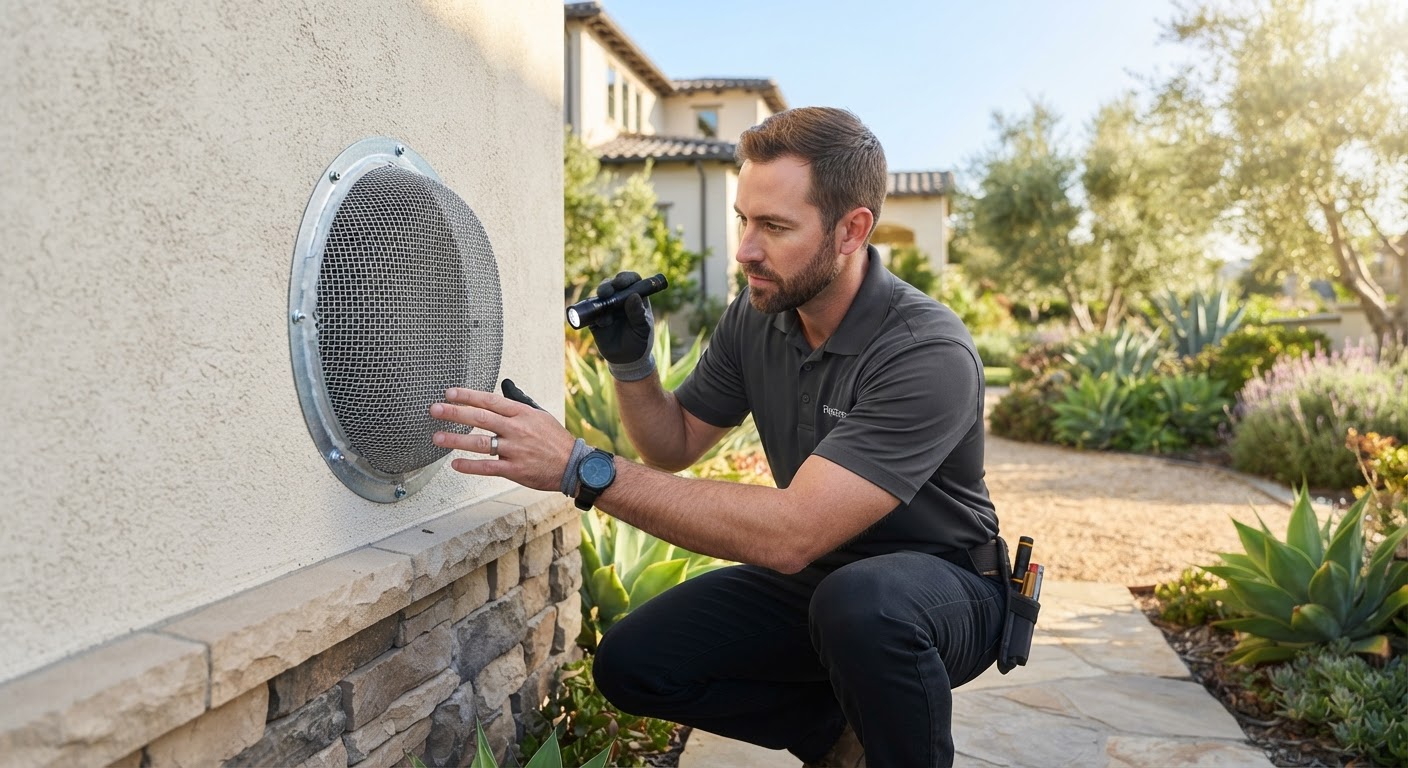
The foundational pillar of modern rodent control is physical exclusion. Rodents possess collapsible ribcages and powerful incisors; adult rats can squeeze through openings as small as a half-inch, while mice can exploit gaps no larger than a dime. If a structure has architectural voids, unsealed vent screens, or gaps around utility penetrations, rodents will continually find their way inside regardless of how many traps are set outside.
Effective exclusion requires an exhaustive, meticulous inspection of the building envelope, followed by high-grade physical repairs using materials that rodents cannot chew through:
- Foundation and Crawlspace Vents: Standard fiberglass screening is easily breached. Replacing damaged vent covers with heavy-gauge galvanized steel hardware cloth prevents entry beneath the subfloor.
- Rooflines, Dormers, and Eaves: Roof rats are agile climbers that take advantage of tile transitions, uncapped roof vents, and gaps where roof planes intersect. Securing these junctions with formed flashing and custom screening stops upward entry.
- Plumbing and Utility Penetrations: Air conditioning lines, gas conduits, and exterior hose bibs often enter structures through oversized wall openings. Packing these voids with copper mesh and finishing them with elastomeric sealant creates an impenetrable barrier.
- Door Sweeps and Weatherstripping: Deteriorated rubber sweeps along garage thresholds and exterior French doors provide easy ground-level access. Installing heavy-duty metal-backed brush sweeps creates an immediate seal against foraging mice.
Mechanical Trapping and High-Precision Monitoring
When rodents establish an indoor population before exclusion measures are completed, mechanical trapping remains the cleanest, safest, and most effective means of population reduction. Unlike chemical baits, which often result in rodents dying inside inaccessible wall voids and causing foul odors, mechanical traps ensure the animal is contained immediately.
Modern pest management emphasizes strategic trap placement rather than high volume. Trap placement relies on rodent biology: rats and mice are naturally neophobic (wary of new objects) and prefer to travel along vertical surfaces using their sensitive whiskers (vibrissae) for navigation. Placing covered, tamper-resistant capture stations along primary travel paths, dark joists, and attic runways produces reliable results while keeping traps protected from pets and children.
In addition to standard mechanical traps, modern management incorporates digital sensor technology and tamper-resistant monitoring boxes. These tools allow technicians to verify runway activity, identify population sizes, and confirm that an active colony has been entirely cleared after exclusion.
Landscape and Sanitation Management
A home does not exist in a vacuum; exterior surroundings play a direct role in rodent pressure. Lush estate landscaping, dense hillside groundcover, and ornamental trees can provide endless nourishment and secure nesting areas. Controlling these environmental incentives is crucial under California's current regulatory framework.
Canopy and Vegetation Clearance
Roof rats spend the vast majority of their lives above ground level. Dense ivy, bougainvillea, and climbing vines clinging to exterior facades act as living ladders, allowing rodents to scale walls and access rooflines with ease. Trimming back tree branches at least six to eight feet from roof edges and eliminating heavy vegetative groundcover immediately adjacent to the foundation removes both travel corridors and hidden nesting sites.
Water and Food Source Control
Eliminating supplemental food sources is just as vital as clearing foliage:
- Citrus and Fruit Trees: Fallen fruit provides a high-calorie diet for rodents. Raking up dropped fruit daily and stripping ripe crops promptly removes a major seasonal attractant.
- Pet Food and Bird Feeders: Feeding pets outdoors or leaving loose birdseed on the ground can sustain dozens of rodents. Storing all animal feeds in airtight, chew-proof metal containers eliminates accidental feeding.
- Water Features and Irrigation: Leaking drip lines, over-irrigated garden beds, and standing water in decorative fountains provide the consistent hydration rodents require to thrive, particularly during hot Southern California summers.
The Value of Working with Compliant Professionals
Navigating the complex landscape of California Department of Pesticide Regulation (DPR) mandates requires technical insight, specialized materials, and continuous property evaluation. Attempting to bypass these laws with unauthorized chemicals or relying on outdated techniques can lead to regulatory violations, secondary wildlife death, and lingering infestations that damage attic insulation and wiring.
A modern, compliant pest management plan provides permanent, documented results. By partnering with specialists who understand architectural vulnerability, rodent behavior, and state environmental laws, homeowners can secure their properties against intrusion while actively preserving California's native ecosystem.
Protect Your Home with Safe, Modern Rodent Management
If you suspect rodent activity in your home or want to ensure your property remains fortified against intrusion, turn to Juniper Shield Pest Control. Our dedicated team specializes in advanced structural exclusion, targeted monitoring, and fully compliant integrated pest solutions. Contact us today to schedule a comprehensive property evaluation.
Need help from Juniper Shield Pest Control?
Contact our team to discuss your service needs in Beverly Hills and surrounding service areas.