Behind the Drywall: What a Professional Termite Inspection Actually Uncovers
Learn what professional pest control technicians look for during an in-depth termite inspection, from subtle drywall clues to hidden structural framing.
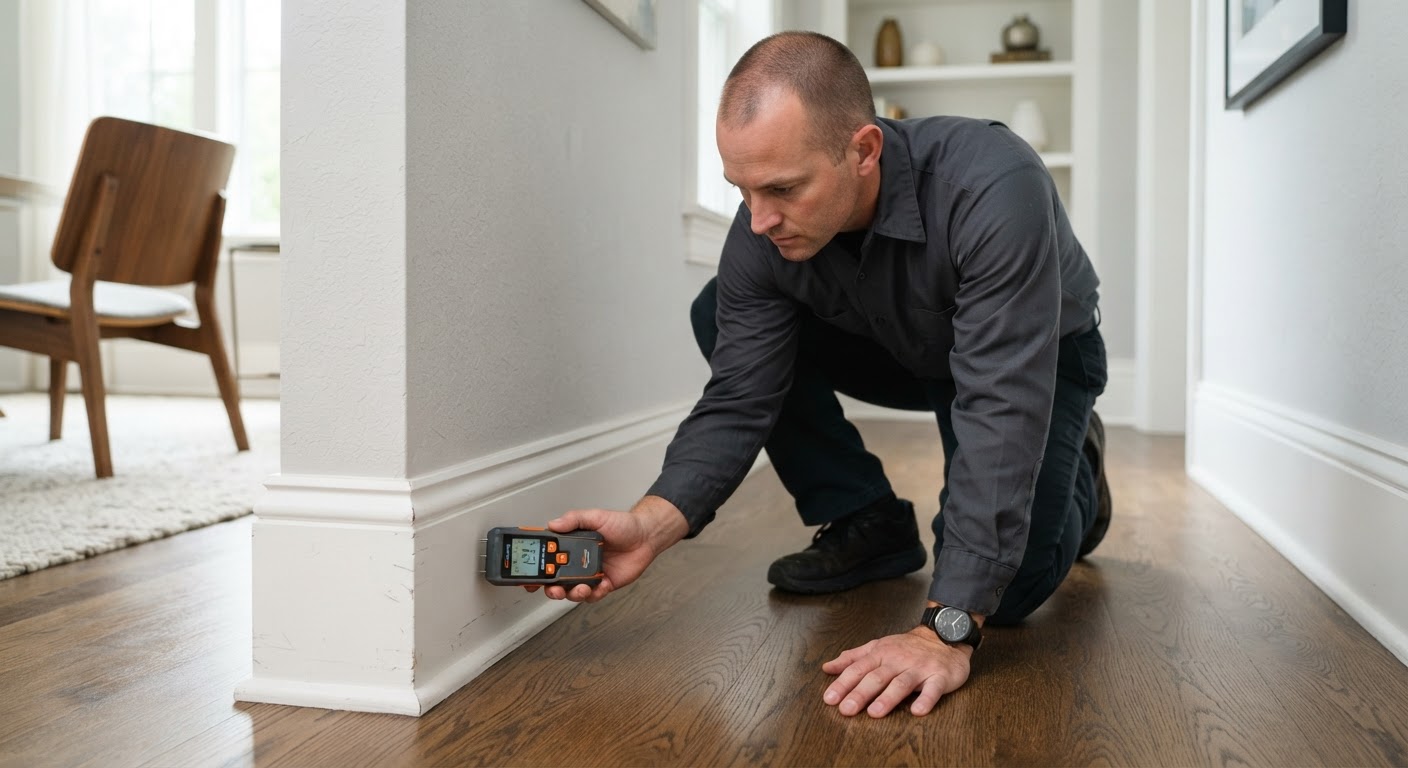
Termites are infamous for operating completely out of sight. While homeowner vigilance often catches obvious problems like plumbing leaks or roof damage, wood-destroying insects can compromise structural framing for years before any obvious exterior indicators appear. When a trained pest control technician arrives to conduct a professional termite inspection, their primary goal is to assess what is happening inside the structural envelope of the home, particularly within the concealed cavities behind finished drywall, paneling, and stucco.
Understanding what technicians search for, how they interpret minute environmental cues, and which diagnostic tools allow them to inspect behind walls provides clarity on the true health of a home. In Southern California, where architectural styles range from mid-century post-and-beam properties to expansive historic estates in Beverly Hills, structural vulnerability varies significantly based on framing methods, foundation designs, and ambient moisture.
The Critical Clues on Finished Wall Surfaces
Before any intrusive investigation occurs, an inspector systematically examines the finished surfaces of a home. Even though termites consume wood deep within framing timbers, their activity frequently creates subtle anomalies on the outer surface of paint, wallpaper, and drywall.
- Drywall Pinholes and Exit Portals: Drywood termite swarmers often exit through tiny openings they chew directly through drywall or plaster. Technicians look for pinhead-sized holes, frequently surrounded by faint sawdust-like powder or tiny dirt plugs where workers sealed the hole after swarmers emerged.
- Faint Blistering or Bubbling Paint: Moisture is an inherent byproduct of subterranean termite activity. As subterranean termites build mud tunnels behind walls, the elevated humidity can cause the paint layer on drywall or baseboards to bubble, soften, or ripple, often resembling minor water damage.
- Subtle Wall Ripples and Depressions: When termites feed on the paper backing of drywall or hollow out the top edge of a baseboard, the surface loses structural rigidity. An inspector running a hand or a smooth-edged tool along baseboards and door casings is checking for unexpected softness or slight contour changes.
- Hollow Acoustic Responses: Technicians regularly tap exposed wooden components, casings, and wall framing with a specialized sounding tool. Solid lumber produces a distinct, sharp ring, whereas wood that has been honeycombed by termite galleries returns a flat, hollow, or paper-thin thud.
High-Risk Interior Zones Behind the Walls
Termites do not disperse randomly throughout a residence. They seek optimal balances of food, relative humidity, and darkness. An inspector pays particular attention to specific architectural junctions where wall cavities intersect with moisture sources or external ground contact.
Plumbing Chases and Wet Walls
Bathrooms, laundry rooms, and kitchens feature internal wall cavities packed with supply lines, drainage pipes, and venting. Even minor condensation along copper or PEX tubing provides enough localized moisture to sustain subterranean termite colonies that have migrated up from the soil. Technicians inspect sub-sink cutouts, behind escutcheon plates, and along shower walls where hidden leaks might foster ideal nesting conditions within the studs.
Wall Plates and Foundation Sills
The bottom horizontal wood members of an interior or exterior wall—known as sole plates and mudsills—sit closest to the foundation. In slab-on-grade construction common across Southern California, these plates rest directly on concrete. If expansion joints or microscopic settling cracks exist in the slab beneath the flooring, subterranean termites can move straight up into the wall plate without ever exposing themselves outdoors. An inspector closely checks baseboards and the lower six inches of drywall for telltale signs of baseboard hollowing.
Roof-to-Wall Transitions and Attic Cavities
Drywood termites enter homes from the air during warm, low-humidity afternoons. Instead of starting near the soil, their colonies often establish in roof rafters, fascia boards, and exterior wall top plates. During an attic inspection, a technician follows the wall framing from above, inspecting the concealed upper pockets of wall cavities where airborne alates typically settle.
Tools Technicians Use to Inspect Behind Walls Without Destruction
Modern pest management avoids unnecessary wall damage whenever possible. While invasive measures like opening exploratory holes may sometimes be necessary to verify an active infestation, inspectors rely on non-destructive technologies to evaluate wall interiors first.
- High-Sensitivity Moisture Meters: Because subterranean termites require high humidity to prevent their soft bodies from desiccating, infested wall sections display significantly elevated moisture levels compared to neighboring dry areas. Pinless moisture meters detect these hidden moisture gradients across drywall without puncturing the paint.
- Thermal Imaging Cameras: Infrared imaging captures subtle temperature differentials across wall surfaces. High concentrations of termite activity can alter the thermal profile of a wall in two ways: through the evaporative cooling of moisture-laden mud tubes or through the localized heat generated by a dense cluster of active insects.
- Acoustic and Motion Sensors: Highly sensitive acoustic listening devices allow technicians to hear the faint clicking sounds produced by soldier termites banging their heads against wood fibers to alert the colony of danger.
- Optical Borescopes: When a small pilot hole exists or can be unobtrusively placed inside a closet, behind a wall plate, or within a cabinet kickplate, an inspector inserts a flexible fiber-optic camera to visually inspect the stud bays, insulation, and wiring conduits directly.
Differentiating What Is Found Within the Cavity
Locating an anomaly behind a wall is only part of the process; correctly identifying the organism and the age of the evidence determines the proper remediation approach. What technicians find behind the drywall generally falls into two distinct categories.
Subterranean Termite Evidence
If subterranean termites are active behind a wall, the interior framing will typically feature layered mud tubing and chambers lined with a distinctive, dried fecal plaster resembling dried soil. These insects consume only the softer springwood, leaving the denser summerwood rings intact, resulting in a layered, ragged gallery structure packed with dirt particles.
Drywood Termite Evidence
In contrast, drywood termites require no contact with the soil and carve clean, smooth galleries straight across the wood grain without any soil or mud. Technicians identify their presence behind walls through the accumulation of dry fecal pellets, commonly called frass. These hexagonal, sand-like pellets are periodically pushed out through tiny kick-out holes in the drywall, accumulating in discreet piles along baseboards, window sills, or beneath furniture.
Translating Inspection Findings Into Action
A comprehensive inspection report does more than simply note whether pests are present. It provides a detailed map of structural risk, identifying whether detected damage represents an old, inactive infestation or an urgent, active colony requiring immediate intervention. Furthermore, the technician highlights secondary conditions that could attract future infestations, such as hidden plumbing drips, blocked weep screeds, or insufficient subfloor clearance.
Protecting the structural integrity and aesthetic value of a home requires identifying these hidden issues before they surface as catastrophic failures. When high-end craftsmanship, custom finishes, and valuable architecture are on the line, professional assessment behind the walls remains the standard of care.
Ensure your home remains structurally sound and protected against hidden wood-destroying pests. Contact Juniper Shield Pest Control today to schedule a thorough, professional termite inspection for your property.
Need help from Juniper Shield Pest Control?
Contact our team to discuss your service needs in Beverly Hills and surrounding service areas.